Computational Linguistics
The foundation of Natural Language Processing (NLP) and Computational Linguistics is rooted in the quest to understand and emulate the complexities of human language using machine-based systems. Initially, the focus was on vocabulary and grammar, seeking to enable computers to both comprehend and generate text in human languages. This involved developing algorithms capable of parsing sentences, recognizing parts of speech, and employing rule-based methods to achieve syntactical analysis. Early attempts were heavily reliant on rules and extensive lexicons, reflecting an aim to mimic human language processes on a superficial level. (Excerpt- Profitable Intelligence)
Get the Book
Description
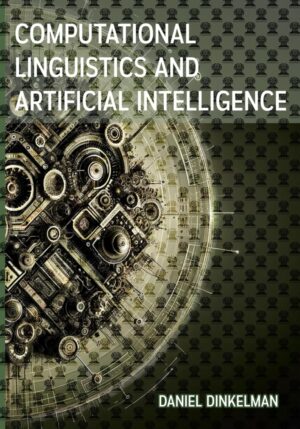
This book offers a comprehensive exploration of the intersection between artificial intelligence (AI), natural language processing (NLP), and computational linguistics, providing an in-depth analysis of their impact across various domains. It gets into the challenges of developing NLP tools for low-resource languages, emphasizing the need for linguistic diversity in the digital age. Ethical considerations in AI language models are scrutinized, highlighting the importance of responsible AI development. The book also addresses the interpretability of neural networks in linguistics, making complex AI decisions in language processing accessible and understandable.
Significant emphasis is placed on using AI to model and predict patterns in language evolution, alongside exploring the complexities of cross-cultural NLP challenges. The preservation of indigenous languages through AI, support for dyslexic individuals using NLP tools, and the detection of semantic changes in language with AI are thoroughly examined. Additionally, the book investigates the use of AI in forensic linguistics, emotion detection in text, and historical language analysis, providing novel insights into these areas.
AI’s role in identifying biases in language models, interpreting non-verbal communication, and reconstructing ancient or extinct languages is discussed. The book concludes by considering AI’s broader societal impacts, including its application in emergency response, cultural heritage preservation, and automated journalism, making it a great resource for researchers, practitioners, and students in AI and linguistics.